What Is Quartz Stone?
February 12, 2026
Your Ultimate Guide to Kitchen Countertops: Choosing the Right Stone for Your Lifetime Home
February 12, 2026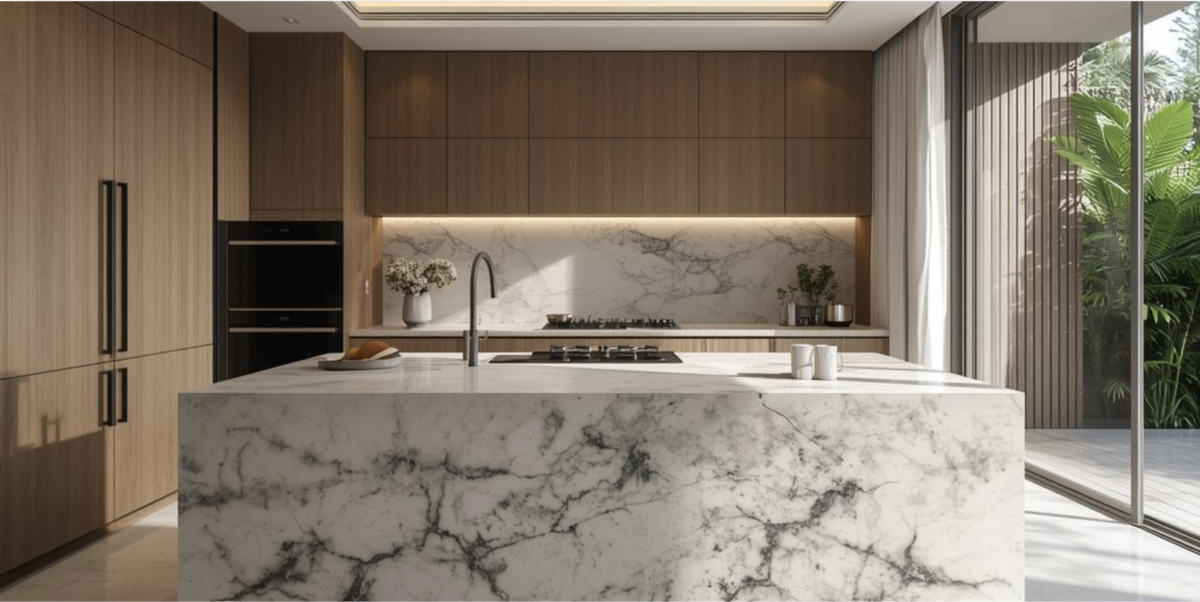
Choosing the Right Surface for Your Kitchen
You’ve probably heard about the rising popularity of sintered stone and quartz stone on social media — but when it comes to choosing the perfect material for your kitchen countertop, which one truly stands out?
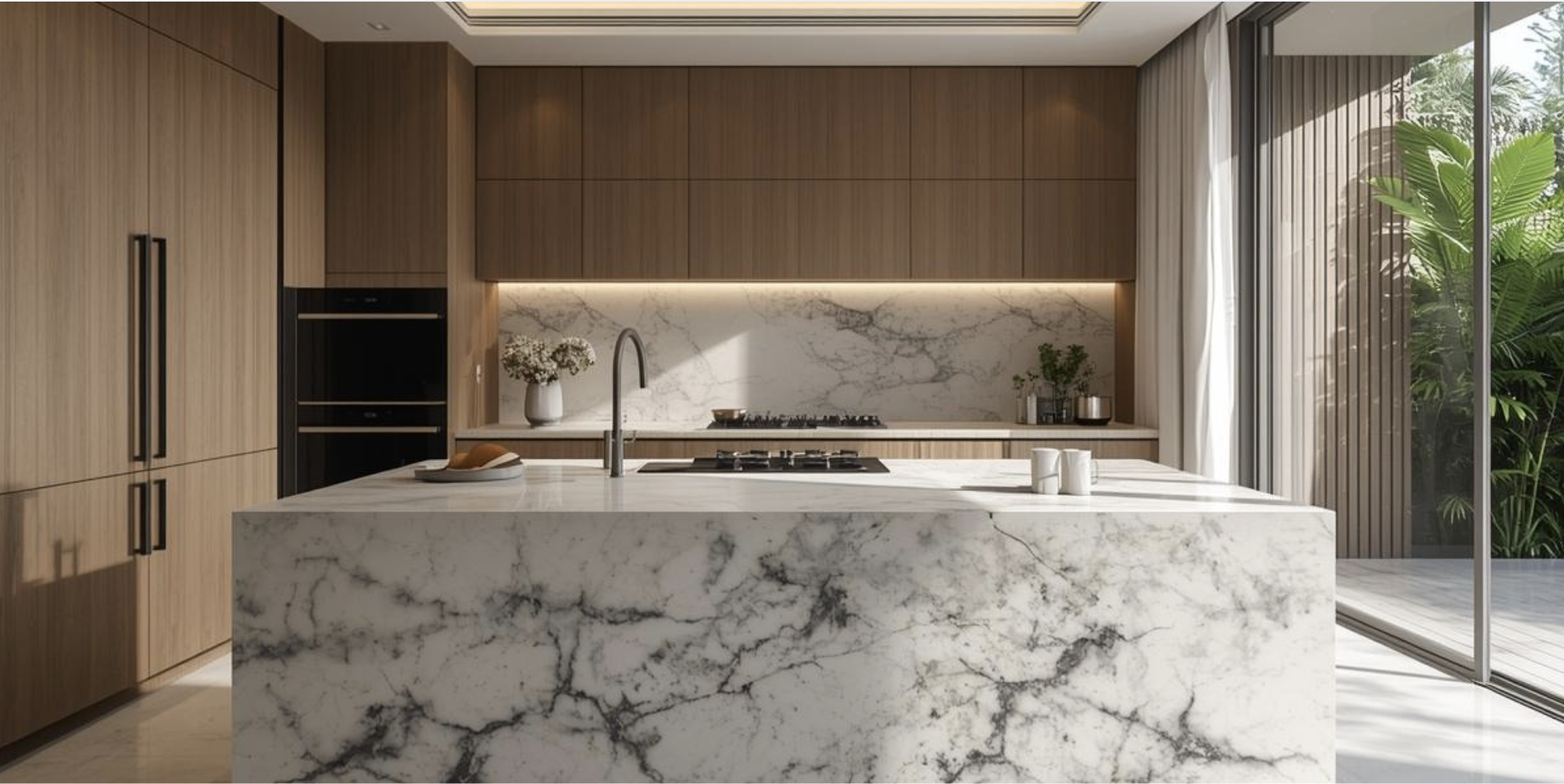
Let’s break it down, from aesthetics to durability, so you can make an informed decision for your dream kitchen.
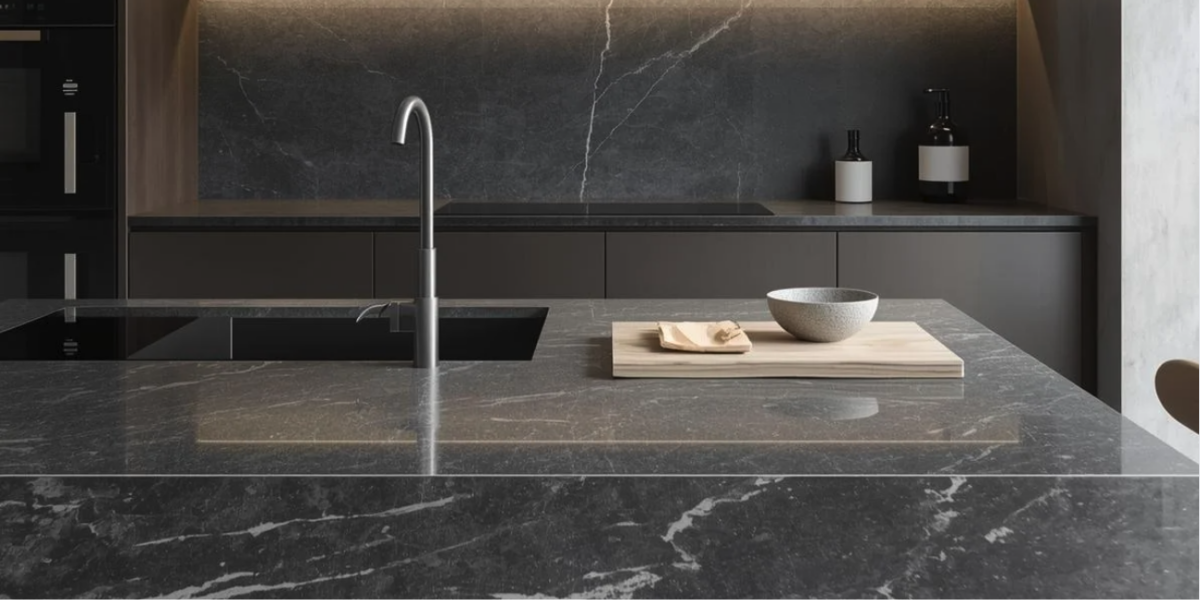
What Is Sintered Stone?Sintered stone is one of the latest innovations in stone surfaces. It is created using sintering technology — a process that combines high-pressure compression and extreme heat (up to 1200°C) to form a solid, ultra-durable slab. This advanced technique gives sintered stone superior strength, making it highly resistant to heat, scratches, and UV rays — perfect for both indoor and outdoor kitchens. |
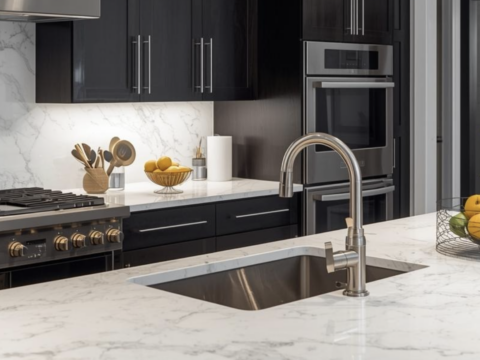
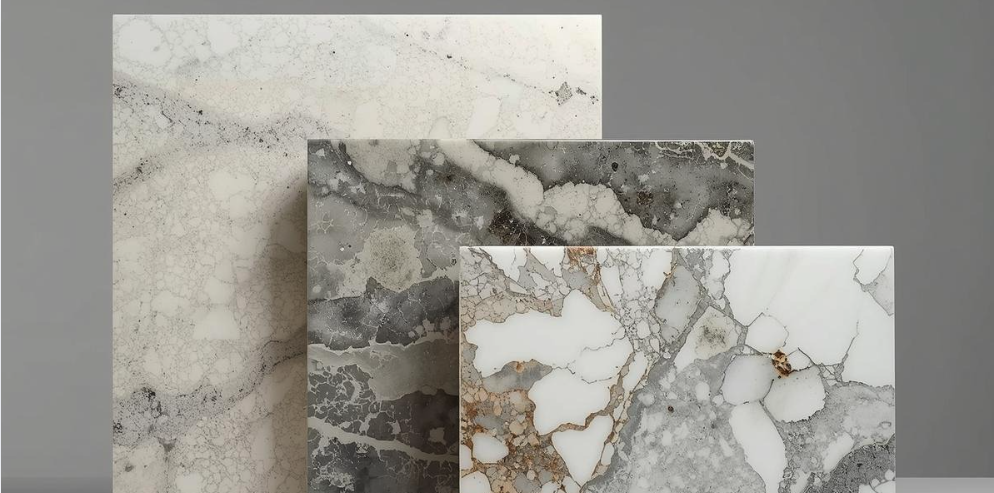
What Is Quartz Stone?Quartz stone, also known as quartz surface, is engineered from crushed quartz crystals mixed with resins, pigments, and other materials. The mixture is then heated and molded into slab form. The result is a non-porous, durable countertop available in a wide variety of colors and patterns — ideal for indoor use such as wet kitchens and vanity tops. |
Sintered Stone vs. Porcelain Slab vs. Quartz
1. Aesthetic Appeal
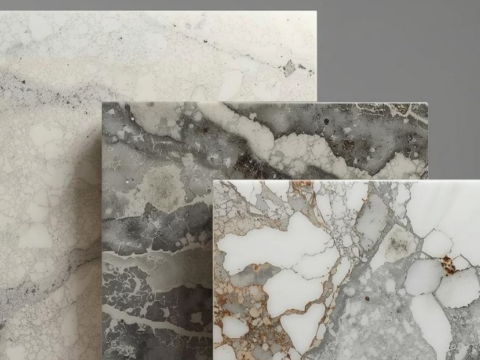
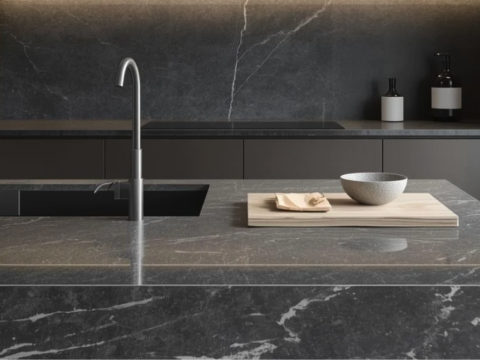
Sintered StoneKnown for its versatility, sintered stone can mimic the look of natural materials like marble, granite, and concrete. If you want the luxurious appearance of natural stone without high maintenance, sintered stone is a strong contender. |
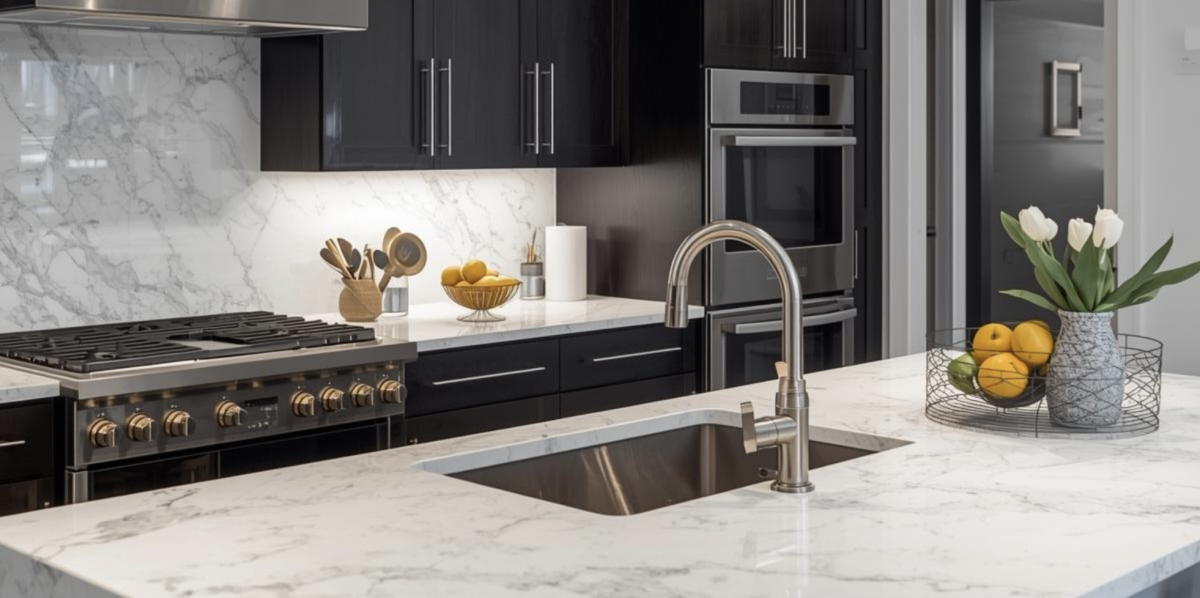
Quartz StoneQuartz offers an extensive range of colors, patterns, and textures — from classic marble-inspired designs to bold, modern finishes. If you have a specific design vision, quartz gives you more creative freedom. |
Verdict: If you want a natural stone look with minimal upkeep, choose sintered stone. For a broader range of design options, quartz is your go-to.
2. Durability and Performance
Sintered StoneHighly resistant to heat, scratches, and UV rays. It’s perfect for outdoor kitchens or areas exposed to direct sunlight. |
Quartz StoneExtremely durable and scratch-resistant, but slightly less heat-resistant compared to sintered stone. Best suited for indoor countertops. |
Verdict: If your kitchen is outdoors or exposed to sunlight, opt for sintered stone. For indoor, high-traffic kitchens, quartz is just as durable.
3. Maintenance and Care
Sintered StoneNo sealing required. Regular wiping and quick cleanup of spills will keep it looking brand new. |
Quartz StoneRequires simple cleaning with mild soap and water but may need periodic sealing to maintain its stain resistance |
Verdict: Sintered Stone is the winner if you prefer a low-maintenance countertop.
4. Price and Budget
Sintered StoneSlightly more expensive due to its advanced manufacturing process and high durability. |
Quartz StoneGenerally more budget-friendly, with a wide range of price points depending on design and brand. |
Verdict: If budget is a major factor, quartz offers more flexibility. If you’re willing to invest in long-term durability, sintered stone is worth it.
Which Stone Is Better for Your Kitchen?
Choose Sintered Stone if:
- You want a countertop that can withstand heat and direct sunlight (great for outdoor kitchens)
- You love the natural stone look — like marble or granite — but prefer a more durable, low-maintenance option
- You’re willing to invest in a premium surface
Choose Quartz Stone if:
- Your kitchen is indoors — ideal for wet kitchens or bathroom vanities
- You want customizable colors and patterns to match your design vision
You prefer a low-maintenance countertop with no need for sealing
FAQs: Sintered Stone vs Quartz Stone
What Are the Surface Options for Sintered Stone?
Sintered stone comes in a variety of surface finishes to suit different design needs and applications. The most common surface types include:
- Digital Structured Surface – A textured surface created using advanced digital printing and structuring, offering both visual depth and tactile feel.
- Glossy (Polished) – A shiny, reflective surface that gives a luxurious and elegant appearance.
- Matte – A soft, non-reflective finish ideal for modern, understated looks.
- Silk – A smooth, satiny finish that balances between matte and glossy, offering both softness and refinement.
Some sintered stone collections offer unique combinations of these finishes. For example:
- Sculpté Relief & Carve: These use 6D Digital Structured technology paired with matte or silk surfaces to create subtle relief or carved textures.
- Sculpté Brut: Features Bush Hammered textures combined with matte or silk, giving a raw, rugged aesthetic perfect for bold designs.
- Ultra-Rough Collection: Combines 6D Rough Matte and Digital Structured finishes to deliver a deeply textured, ultra-tactile surface.
These surface technologies not only enhance visual appeal but also provide practical benefits such as improved grip, stain resistance, and durability.
Want to see more stone options from Sense Stone? Just click here Sintered Stone 12-15mm
The Final Verdict: Sintered Stone or Quartz?
- Quartz stone — perfect for indoor kitchens, wet areas, and vanity tops.
- Sintered stone — versatile and durable, ideal for indoor and outdoor spaces and areas with high heat exposure, including flooring, staircases, TV feature walls, and more.
Looking for the perfect kitchen countertop?
At Sense Stone, we offer over 350 colour options in sintered stone and quartz stone countertops — plus a premium selection of natural stones like marble and granite.
Our granite range currently includes Marble, Granite, Quartzite, and Onyx.
Looking to elevate your space? Discover more about the unique textures and finishes available from Sense Stone by visiting this link: Sintered Stone 12-15mm
Contact us today for personalized advice and a free consultation. Let’s create a kitchen that’s as stunning as it is functional!
Looking for the perfect sintered stone solution for your home?