What Is Sintered Stone?
February 12, 2026
Sintered Stone vs Quartz Stone: Which Kitchen Countertop Is Right for You?
February 12, 2026About Quartz Stone
When it comes to elegant and durable surfaces, quartz stone in Malaysia stands out as a popular choice among homeowners and designers alike. With its versatility, stunning aesthetics, and exceptional performance, quartz stone has become a sought-after material for various interior design applications.
In this comprehensive guide, we’ll explore:
- What quartz stone is
- How it’s made
- The different types of quartz
- Its key benefits
- Popular applications in homes and commercial spaces
Let’s dive into the world of quartz stone and discover why it might be the perfect addition to your space.
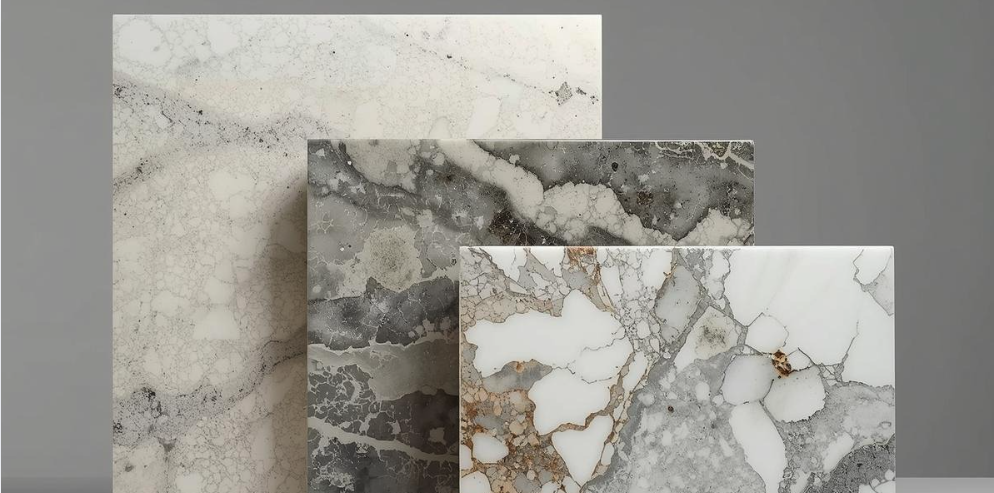
What is Quartz Stone?
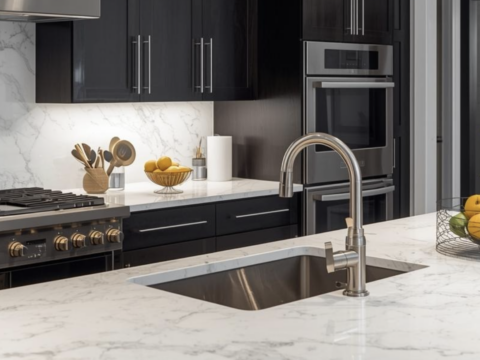
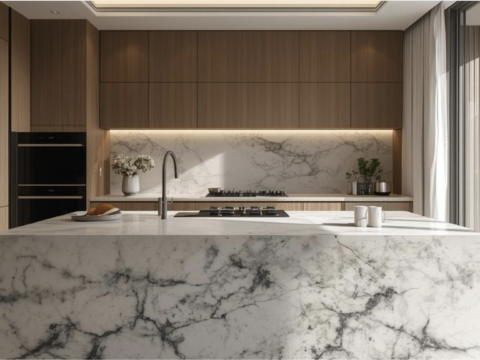
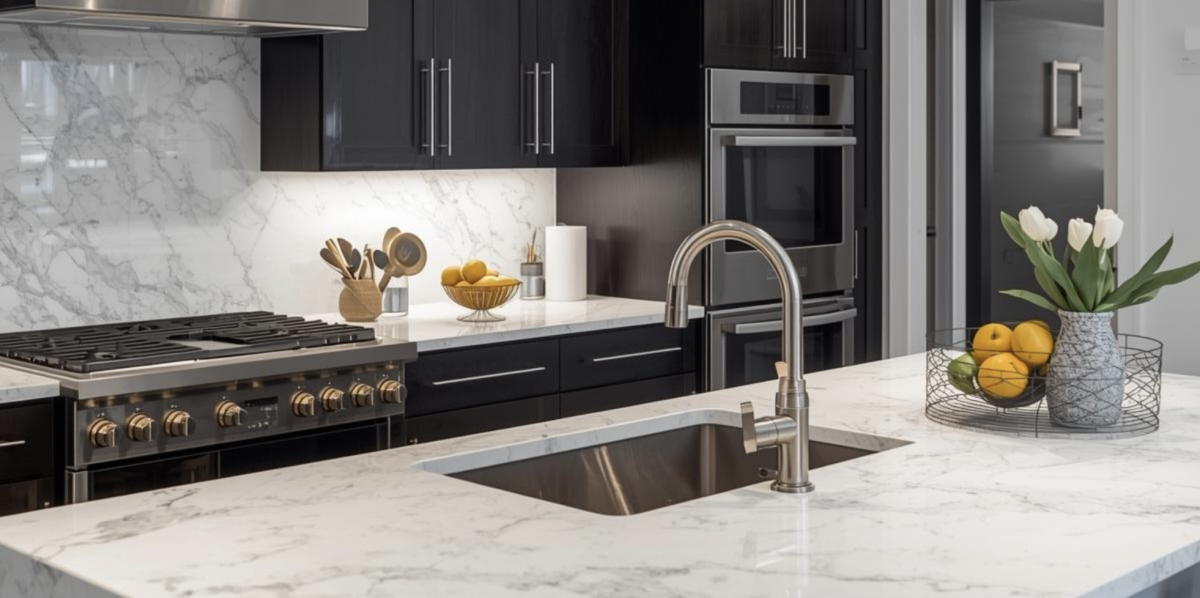
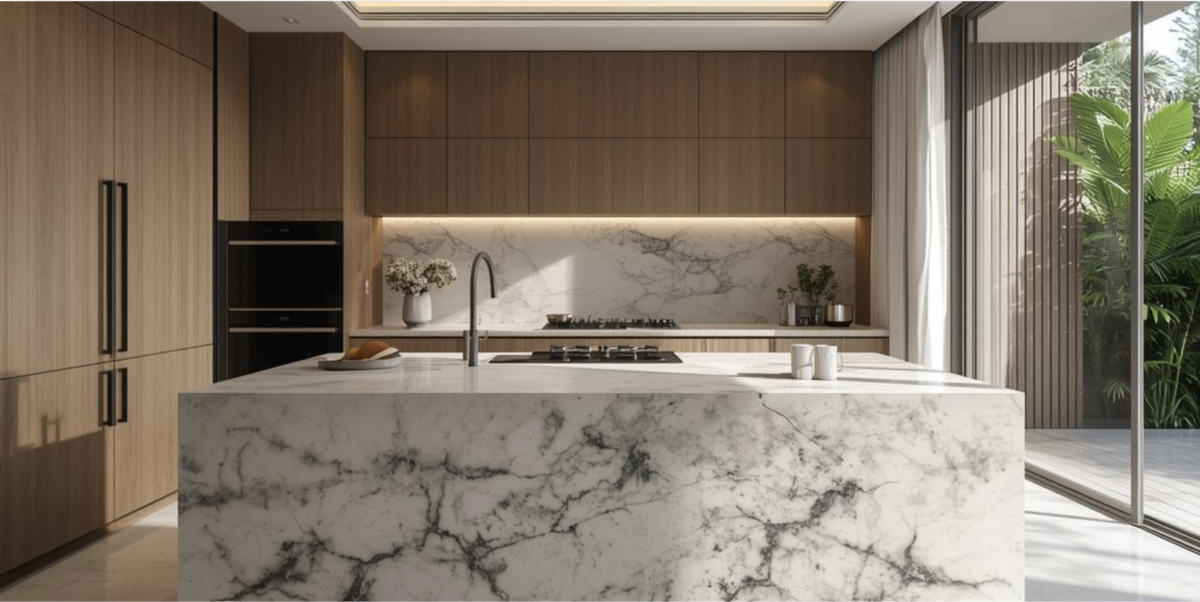
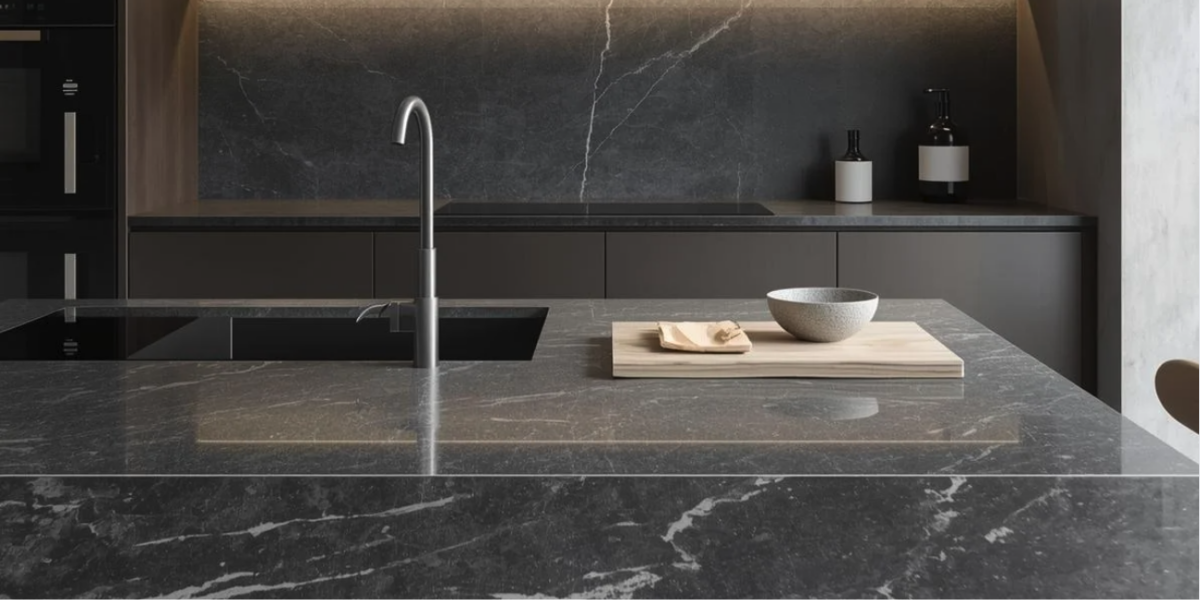
Quartz stone — also known as engineered quartz or quartz composite — is a man-made material crafted using natural quartz crystals combined with resins, pigments, and binders. The result is a non-porous, highly durable, and visually captivating surface that closely mimics the look of natural stone like marble or granite.
Unlike natural stone, which is cut directly from quarries, quartz stone is engineered, allowing for greater control over its color, pattern, and finish. This means you can achieve a consistent design without the unpredictable veining or flaws often found in natural stone.
How is Quartz Stone Made?
The production of quartz stone involves a meticulous process that combines science and craftsmanship.
- Raw Quartz Crystals: Manufacturers source natural quartz crystals, which make up about 90–95% of the final product.
- Mixing with Resin and Pigments: The crystals are ground into a fine powder or small granules and mixed with polymer resins and pigments to create a solid, moldable material.
- Molding and Compression: The mixture is poured into molds and subjected to intense heat and pressure (using a process called "vibrocompression") to remove any air bubbles and form a dense, durable slab.
- Curing and Finishing: Once set, the slabs are polished to achieve the desired finish — glossy, matte, or textured — and then cut into various sizes and thicknesses.
The result is a sleek, solid surface that’s stronger than many natural stones, resistant to damage, and available in an impressive range of colors and patterns.
Types of Quartz Crystals Used
Quartz is the second most abundant mineral on Earth (after feldspar), so it naturally comes in various forms. Some of the most well-known quartz types by colour are listed below:
If you are interested to know more about how they look, you can click here to visit our catalog.
Key Benefits of Quartz Stone
1. Exceptional Durability
Quartz stone is renowned for its impressive strength and durability. It’s:
- Scratch-resistant — ideal for busy kitchens
- Impact-resistant — less likely to chip or crack
- Heat-resistant — can withstand moderate temperatures
Unlike natural stone, quartz doesn’t require sealing or polishing to maintain its strength. This makes it a long-lasting investment for high-traffic areas like kitchen countertops and bathroom vanities.
2. Non-porous and Hygienic
One of the standout features of quartz stone is its non-porous surface.
What does this mean for you?
- It doesn’t absorb liquids — preventing stains from coffee, wine, or oil.
- It resists bacteria, mold, and mildew — promoting a healthier home environment.
- Cleaning is a breeze — a simple wipe with soapy water is all you need.
For kitchens and bathrooms where hygiene is crucial, quartz stone is a worry-free choice.
3. Low Maintenance
Busy homeowners will appreciate that quartz stone requires minimal upkeep:
- No sealing needed — unlike natural stone, quartz retains its non-porous nature without special treatments.
- No polishing required — it maintains its glossy or matte finish effortlessly.
- Easy cleaning — mild soap and water keep it looking pristine.
This hassle-free maintenance makes quartz stone perfect for modern lifestyles.
4. Stunning Aesthetics and Versatility
Whether you love a classic, modern, or eclectic style, quartz stone offers endless design possibilities:
- A wide range of colors — from timeless whites and greys to bold blues and blacks.
- Realistic patterns — mimicking natural stone like marble and granite.
- Multiple finishes — choose from high-gloss polish, soft matte, or textured surfaces.
Quartz stone can be customized to suit any aesthetic, making it a favorite among interior designers in Malaysia.
5. Suitable for Various Applications
The versatility of quartz stone goes beyond just countertops. It’s ideal for:
- Kitchen countertops — durable and heat-resistant surfaces.
- Bathroom vanities — water-resistant and easy to clean.
- Backsplashes — creating seamless, eye-catching designs.
- Flooring — scratch-resistant for high-traffic areas.
- Fireplace surrounds — heat-tolerant and stylish.
It’s also used for tabletops, bar counters, and reception desks, adding a touch of sophistication to both residential and commercial spaces.
Quartz Stone vs. Natural Stone: Which is Better?
|
Features |
|
|
|||
|
Durable |
|
|||
|
Maintenance |
|
|
|||
|
Porosity |
|
|
|||
|
|
|
|||
|
|
|
While both have their appeal, quartz stone offers a balance of beauty, strength, and ease of maintenance — a winning combination for modern homes.
Conclusion: Elevate Your Space with Quartz Stone
In summary, quartz stone is a top-tier option for homeowners and designers seeking:
- ✅ Durability — Resistant to scratches, stains, and heat.
- ✅ Hygiene — Non-porous surface that helps prevent bacteria growth.
- ✅ Beauty — Available in a wide variety of colors, patterns, and finishes.
- ✅ Versatility — Suitable for countertops, backsplashes, flooring, and more.
- ✅ Easy Maintenance — No sealing or polishing required.
If you're planning a home renovation or commercial design project, quartz stone offers the perfect balance of aesthetic elegance and practical performance.
Ready to transform your space? Contact Sense Stone today and discover the perfect quartz stone for your dream home.
Looking for the perfect sintered stone solution for your home?