Sintered Stone vs Quartz Stone: Which Kitchen Countertop Is Right for You?
February 12, 2026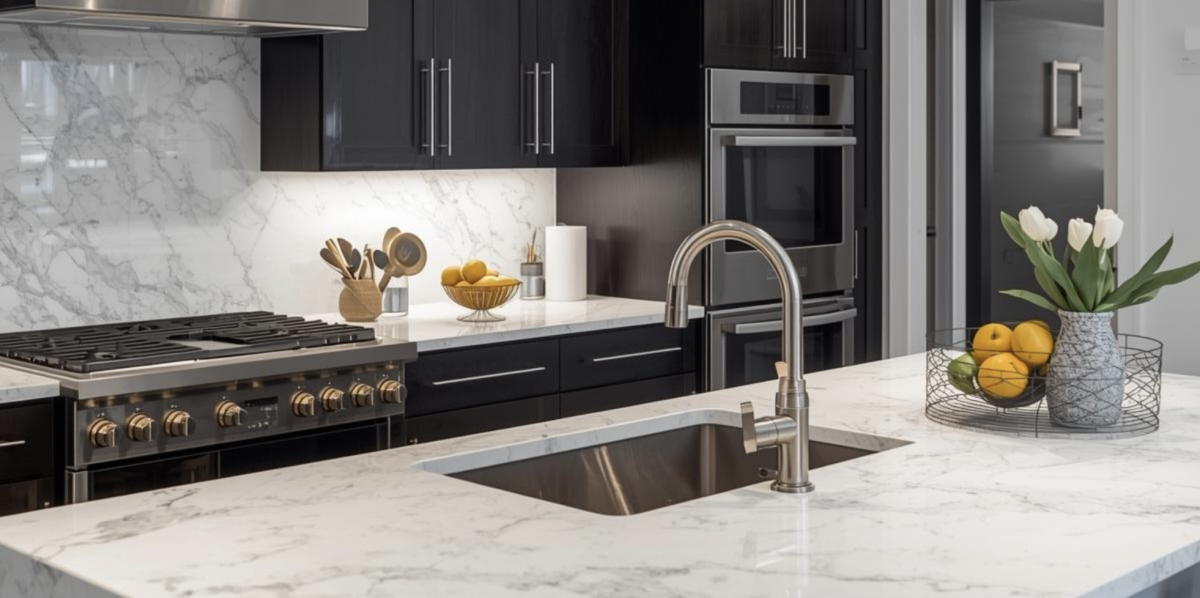
Top Stone Options for Kitchens in Malaysia
The kitchen isn’t just where you cook — it’s the heart of your home. At the center of every well-designed kitchen lies one crucial element: the countertop. More than just a surface to chop and place appliances, your kitchen countertop defines your cooking style, shapes your home aesthetic, and impacts daily functionality.
In this guide, we’ll walk you through some of the most popular kitchen countertop materials used in Malaysia — with a special focus on Quartz Stone, Sintered Stone, and other natural or engineered stone options, helping you choose the perfect surface for your dream kitchen.
What to Consider When Choosing a Stone Countertop
Before diving into specific materials, here are 7 important factors to consider:
Daily Usage
- Maintenance: Some stones need sealing and special care. Quartz countertops are low-maintenance and easy to clean, while granite may require regular sealing.
- Stain Resistance: Love cooking with turmeric, soy sauce, or red wine? Choose a non-porous stone like Quartz, which resists staining.
- Heat Resistance: Planning to place hot pots directly on your counter? Sintered Stone outperforms Quartz and many others when it comes to heat resistance.
Budget & Value
- Price Range: Each material — whether Quartz, Sintered Stone, or granite — has different costs per square foot. Installation costs also vary.
- Durability: Need a countertop that can handle daily wear and tear? Quartz Stone and Sintered Stone both offer excellent strength and longevity.
- Resale Value: Premium stone countertops can boost your home’s value and make it more attractive to future buyers.
Aesthetics
Style & Texture: Whether you prefer a sleek modern look or a rustic natural vibe, every stone type brings its own unique beauty and texture.
Comparing the Most Popular Kitchen Countertop Materials
1. Quartz Countertops
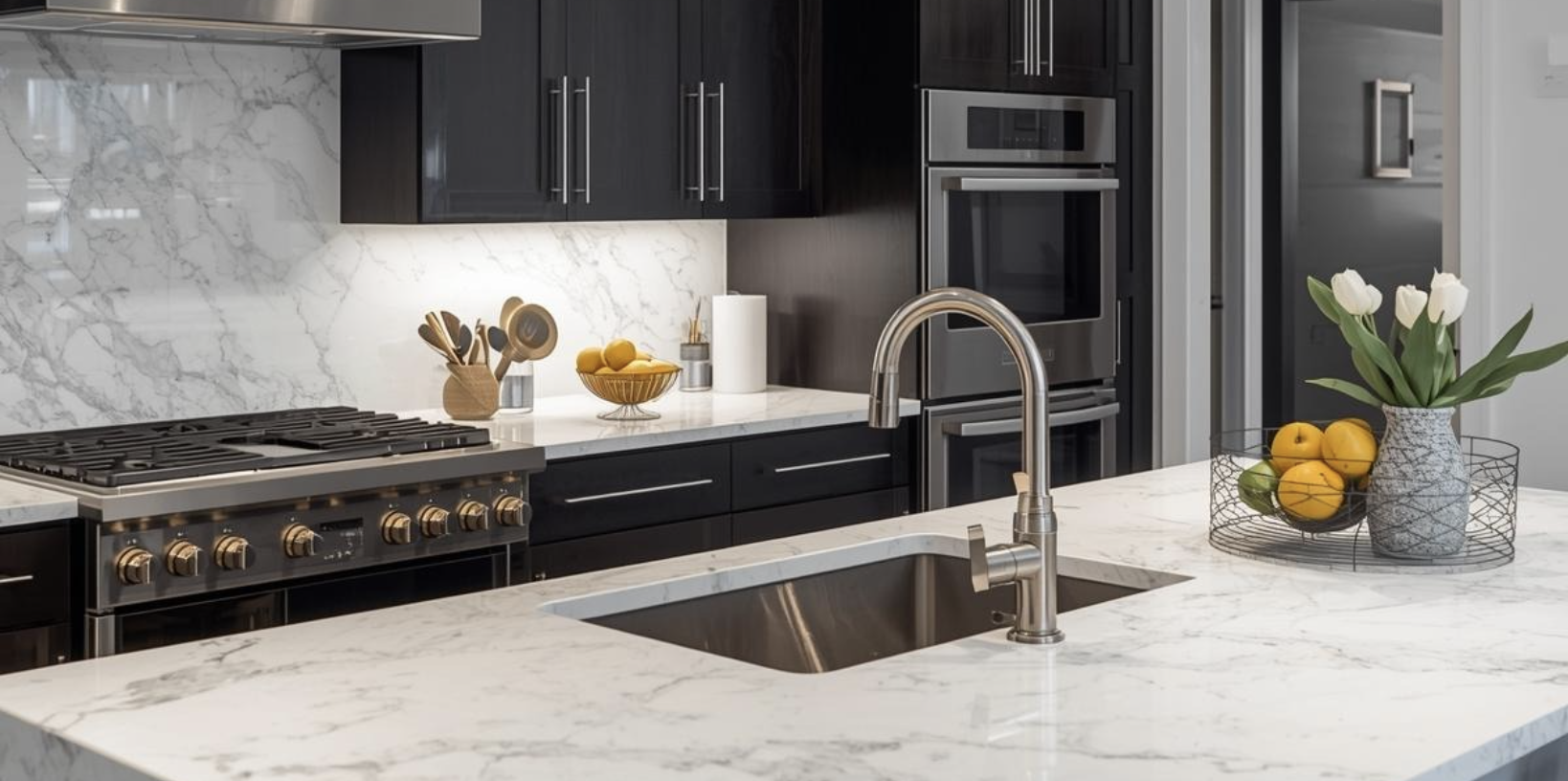
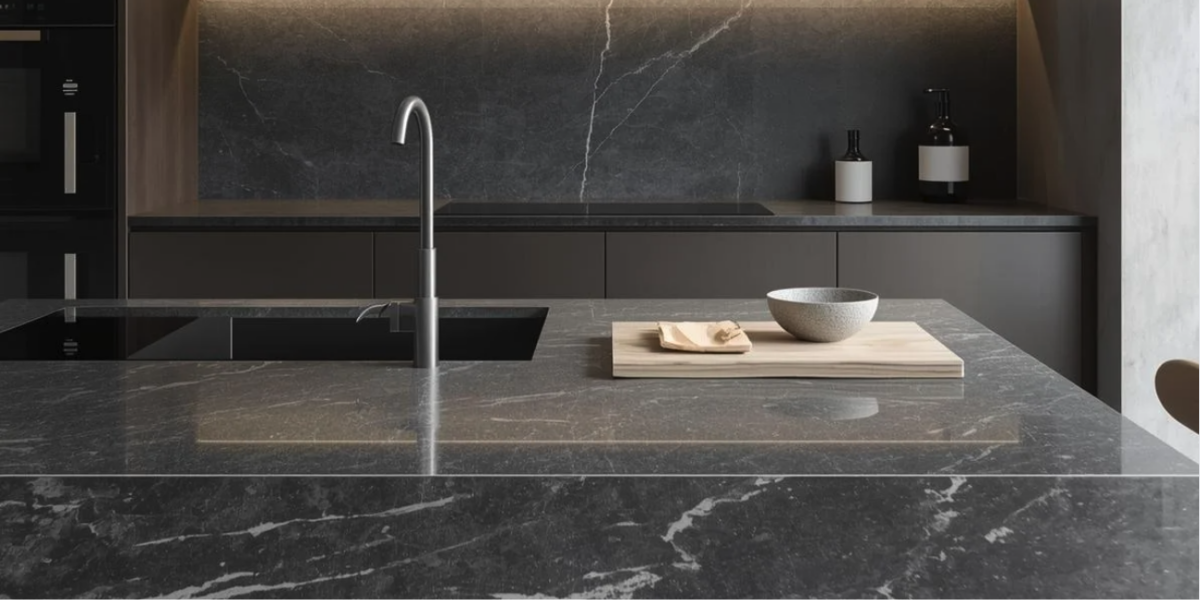
Quartz Stone is an engineered surface made by combining ground natural quartz with resins and pigments. It offers the beauty of natural stone but with enhanced performance and consistency.
Pros:
- Durable and highly resistant to scratches and impact — ideal for busy kitchens.
- Non-porous: resists stains from oil, wine, sauces, and coloured spices.
- Doesn’t require sealing.
- Consistent colours and patterns — perfect for seamless designs.
- Very easy to clean — even sticky cooking oil wipes off easily.
Cons:
- Less heat resistant than Sintered Stone — placing hot pots or pans directly may cause damage over time.
- Can be pricey — mid to high price point, comparable to granite.
- Non-UV-stable — prolonged sunlight exposure may cause discolouration, making it less suitable for outdoor use.
Best for: Homeowners who want a low-maintenance, stain-resistant, and stylish countertop that handles everyday cooking with ease.
👉 Want to learn more? Read our full guide: What is Quartz Stone?
Looking for the perfect quartz stone solution for your home? Contact Sense Stone today
2. Sintered Stone Countertops
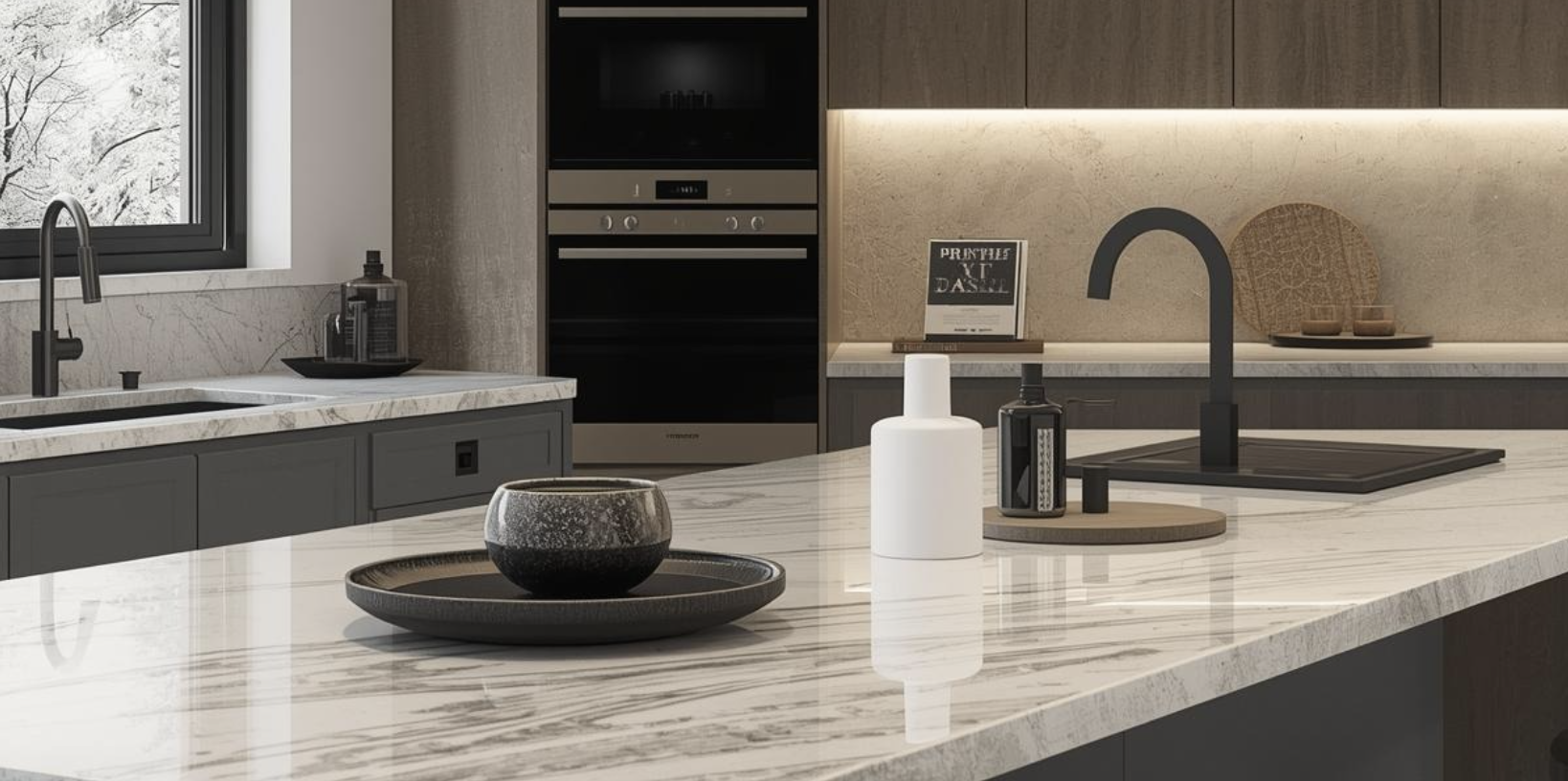
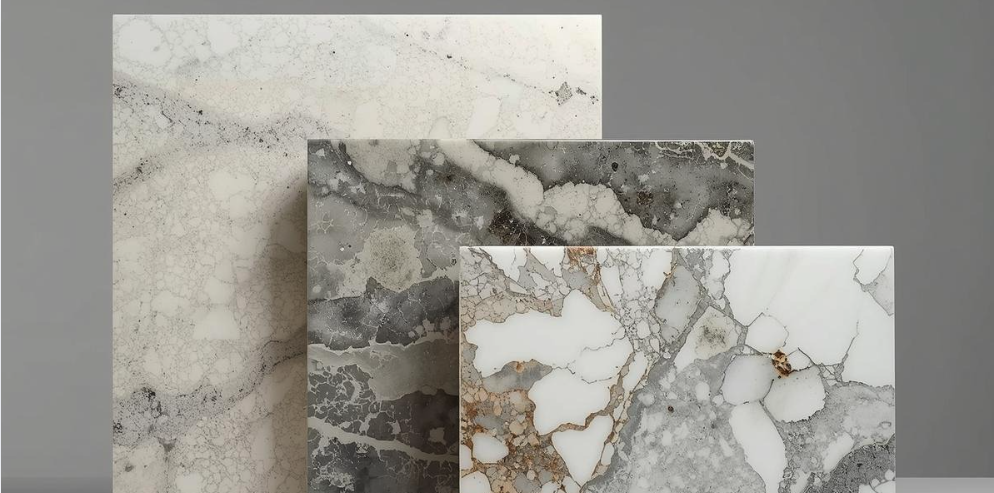
Sintered Stone — also known as porcelain slab or ultra-compact surface, is created by compressing natural minerals under extreme heat and pressure. The result is a super-durable, high-performance material with a sleek look.
Pros:
- One of the most durable surfaces available — resistant to heat, scratches, UV, and stains.
- Non-porous and hygienic — perfect for food prep.
- Large slab sizes reduce visible seams.
- Excellent for both indoor and outdoor kitchens.
Cons:
- Often more expensive than Quartz or granite.
- Limited edge profiles due to its hardness, offering fewer decorative edge options.
- Edges may chip if subjected to hard knocks or mishandling — requires skilled fabrication and installation.
Best for: Homeowners and designers who love a modern, minimalist aesthetic and want a countertop that can stand up to anything.
👉 Curious about how it's made? Read our guide: What is Sintered Stone?
👉 Also see: Quartz vs. Sintered Stone — Which One is Right for You?
Looking for the perfect sintered stone solution for your home? Contact Sense Stone today
3. Granite Countertops
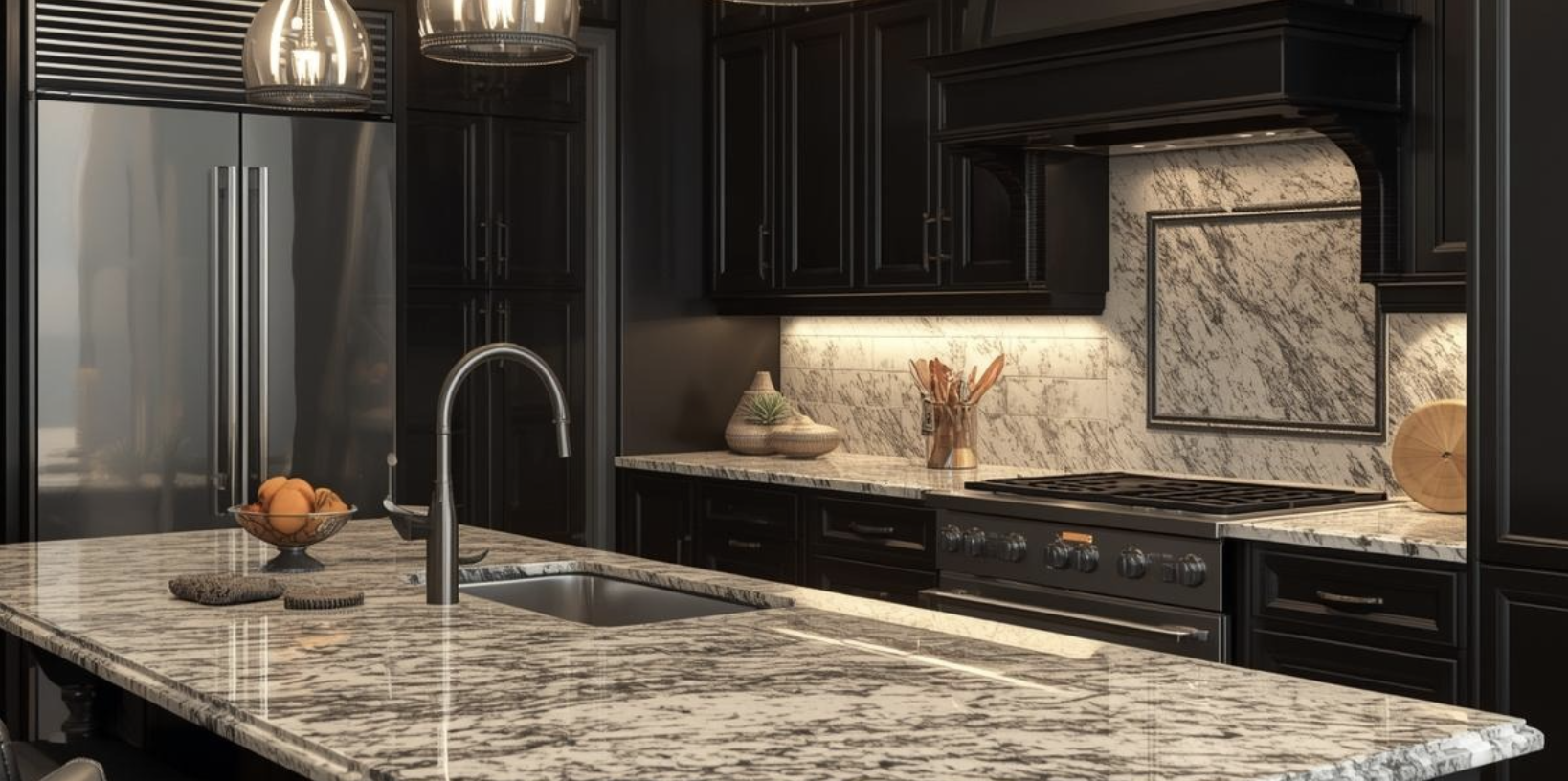
Granite is a classic choice for stone countertops. This 100% natural stone is known for its strength and one-of-a-kind patterns — no two slabs are alike.
Pros:
- Naturally heat and scratch resistant.
- Unique appearance adds luxury and individuality.
- Adds good resale value to your home.
Cons:
- Higher maintenance — requires periodic sealing to stay stain-resistant.
- Can chip or crack under heavy impact, making it less forgiving than engineered stone.
- Natural inconsistency — each slab varies in colour and pattern, which may pose a challenge for large-scale or seamless installations.
Best for: Those who appreciate natural beauty, unique stone character, and classic elegance.
Looking for the perfect natural stone solution for your home? Contact Sense Stone today
4. Marble Countertops
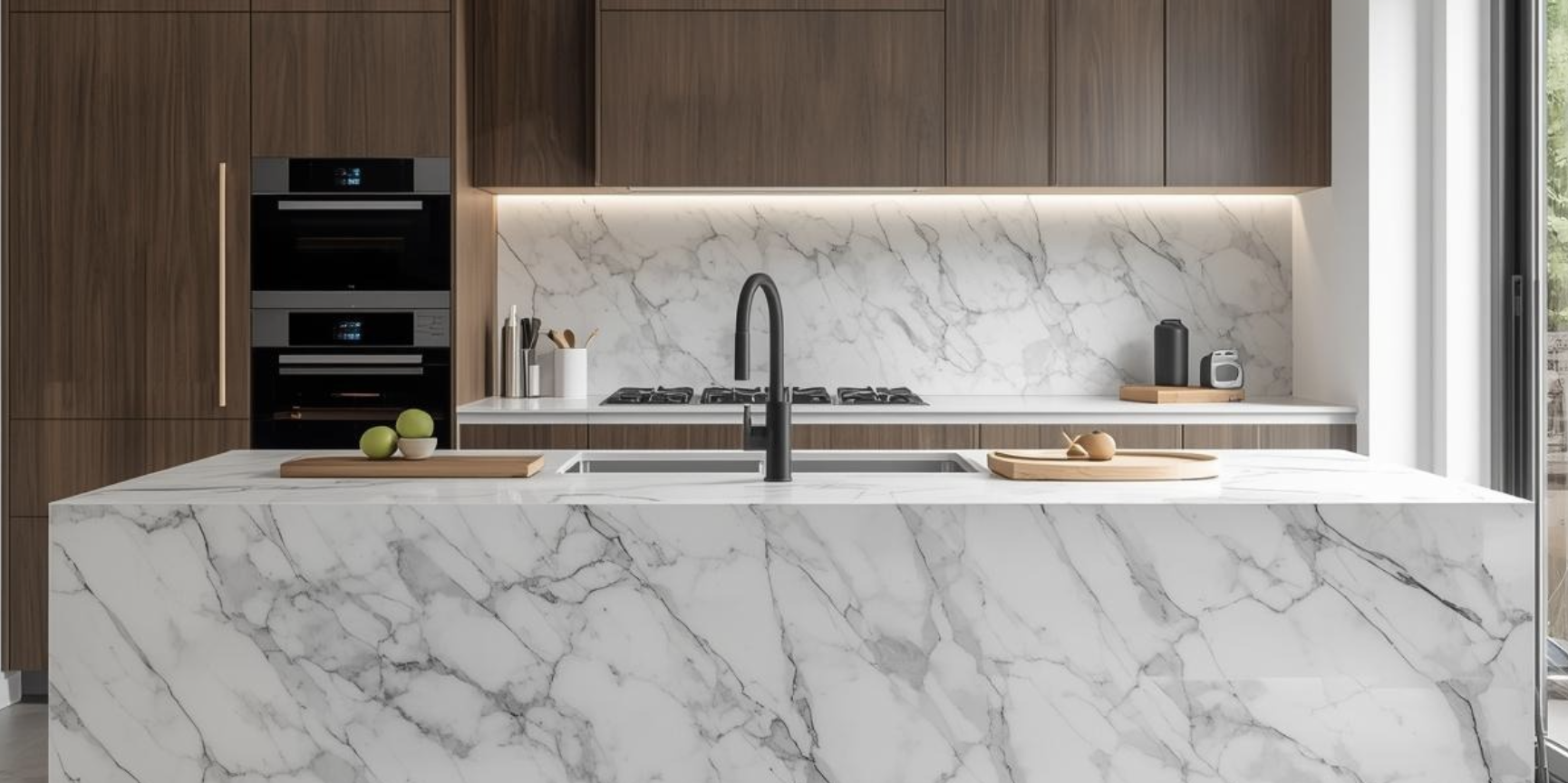
Marble is the ultimate luxury stone, known for its timeless veining and elegant appearance. Often seen in high-end kitchens and bakeries.
Pros:
- Unmistakable classic look.
- Naturally heat resistant.
- High-end visual appeal.
Cons:
- Very porous surface — absorbs liquids easily and is highly prone to staining from acidic or coloured ingredients.
- Higher maintenance requirements — needs regular sealing and gentle cleaning.
- Less durable than Quartz or Sintered Stone — scratches easily and susceptible to etching from citrus or vinegar.
Best for: Bakers or homeowners who want a sophisticated, high-end look and don’t mind a bit of extra upkeep.
Looking for the perfect Marble Compress stone solution for your home? Contact Sense Stone today
5. Stainless Steel Countertops
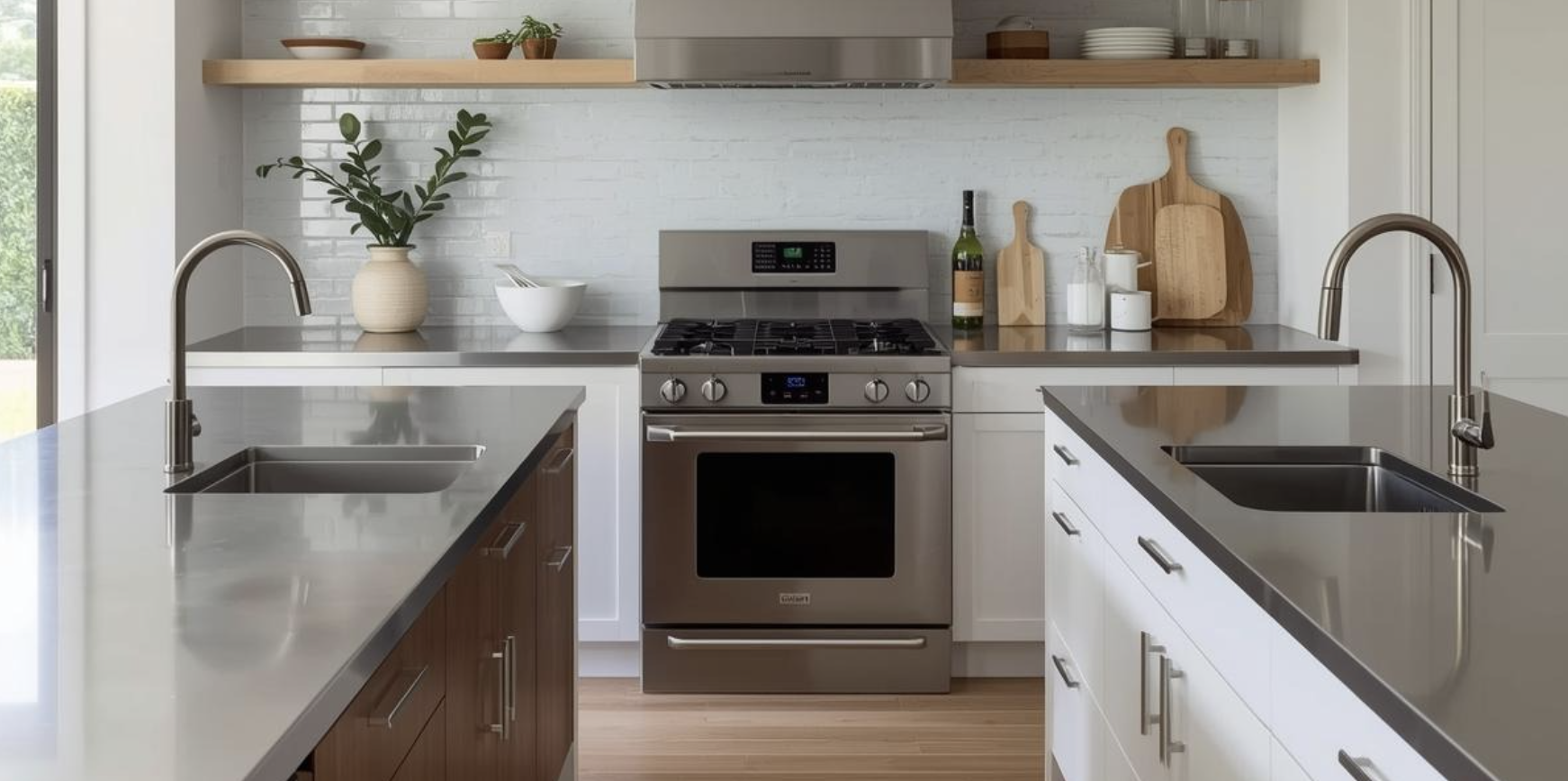
Favoured by professional chefs, stainless steel countertops bring a sleek, hygienic surface that’s built to withstand the rigours of a high-traffic kitchen.
Pros:
- Exceptionally durable, heat resistant, and non-porous — perfect for serious cooking.
- Hygienic and easy to clean — ideal for food prep zones.
- Modern, professional look that fits contemporary or industrial design.
Cons:
- Prone to scratches — surface can develop a patina over time, but sharp objects leave marks.
- Shows fingerprints and smudges easily.
- Can be noisy when in use.
- May dent with impact from heavy objects.
- More expensive than most materials.
Best for: Homeowners who love a minimalist, professional kitchen vibe — and who prioritise hygiene and durability over a flawless appearance.
6. Laminate Countertops
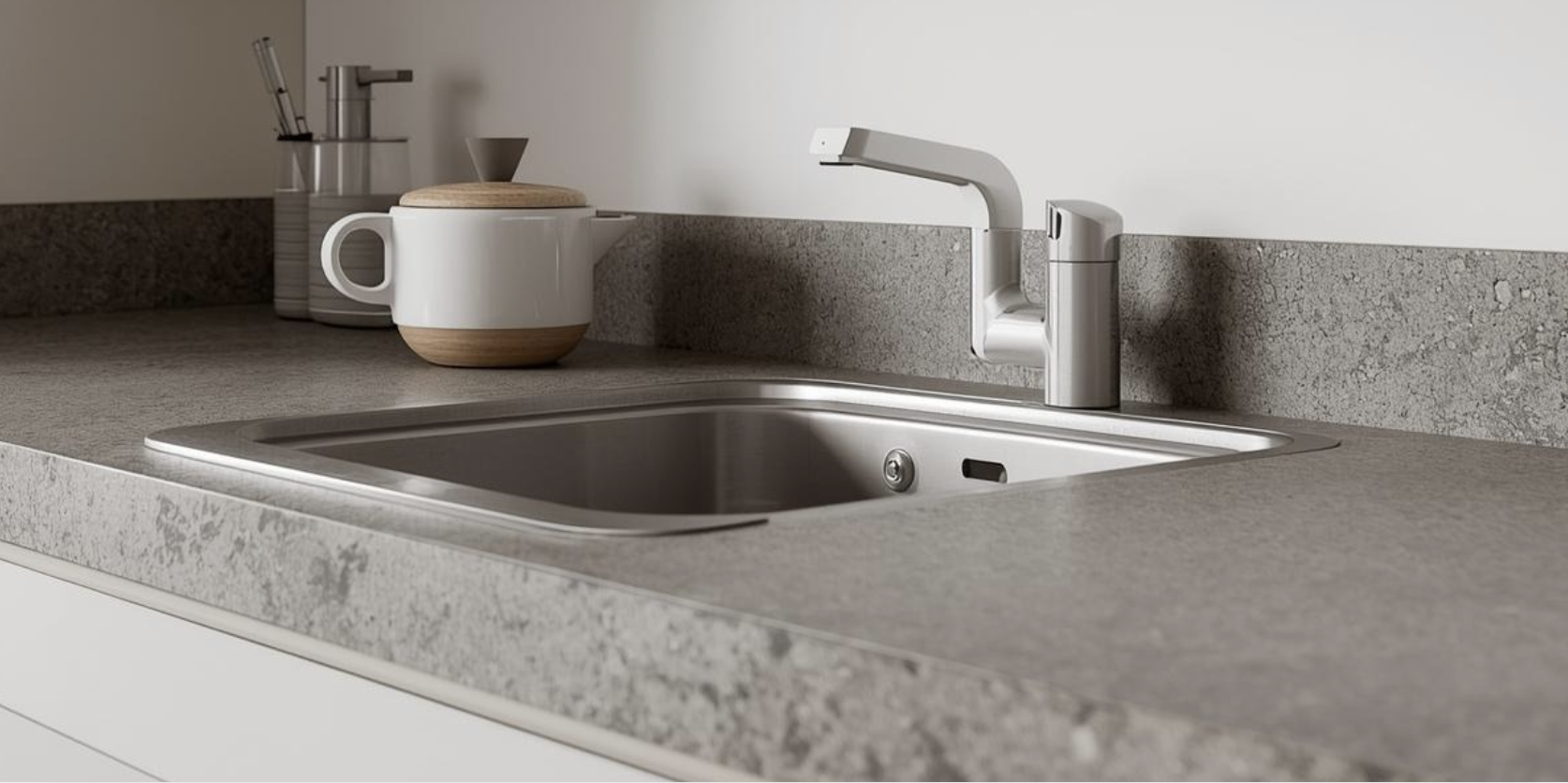
While not stone, laminate is often considered by homeowners due to its low price point.
Pros:
- Very budget-friendly.
- Available in a wide variety of designs that mimic Quartz, Sintered Stone, and even marble.
Cons:
- Less durable than any stone material — easily scratched, chipped, or burnt.
- Zero repairability — once damaged, it cannot be restored.
- Not heat resistant — direct contact with hot cookware may cause bubbling, warping, or burn marks.
Best for: Rental properties or budget-conscious renovations.
7. Concrete Countertops
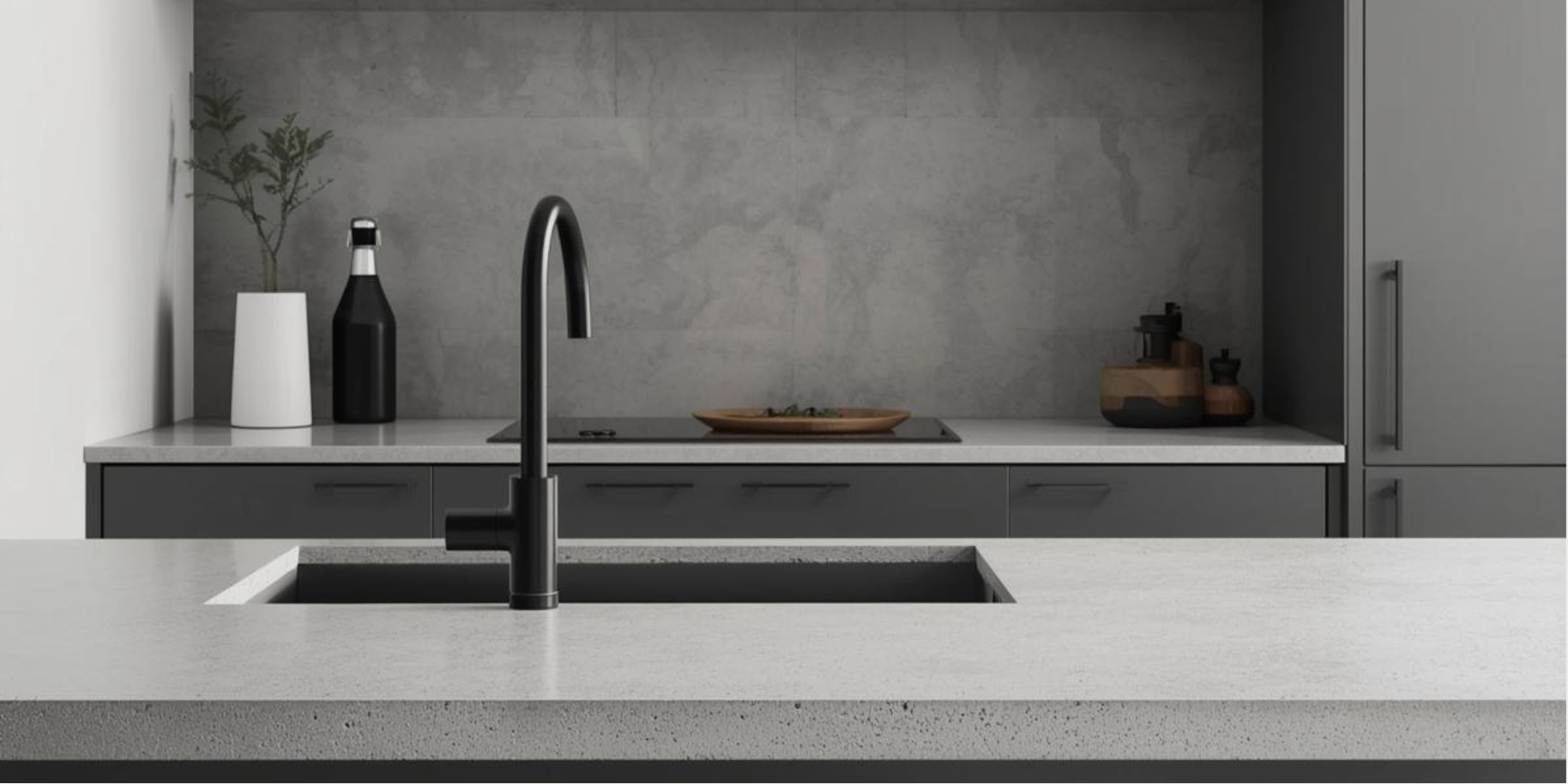
Concrete countertops offer unmatched customization — they can be poured in any shape, tinted in endless colours, and embedded with decorative inlays. Perfect for bold, modern interiors.
Pros:
- Highly customizable in terms of shape, colour, finish, and embedded materials.
- Durable and naturally heat resistant.
- Offers a raw, industrial look with strong visual presence.
Cons:
- Requires regular sealing to prevent stains, etching, or moisture penetration.
- Can crack over time due to natural settling — often accepted as part of its patina.
- Very heavy — needs strong cabinet reinforcement.
- Installation is complex and costly, usually requiring professional handling.
Best for: Modern or industrial-themed kitchens, and homeowners who value artisanal finishes and don’t mind long-term maintenance.
8. Wood / Butcher Block Countertops
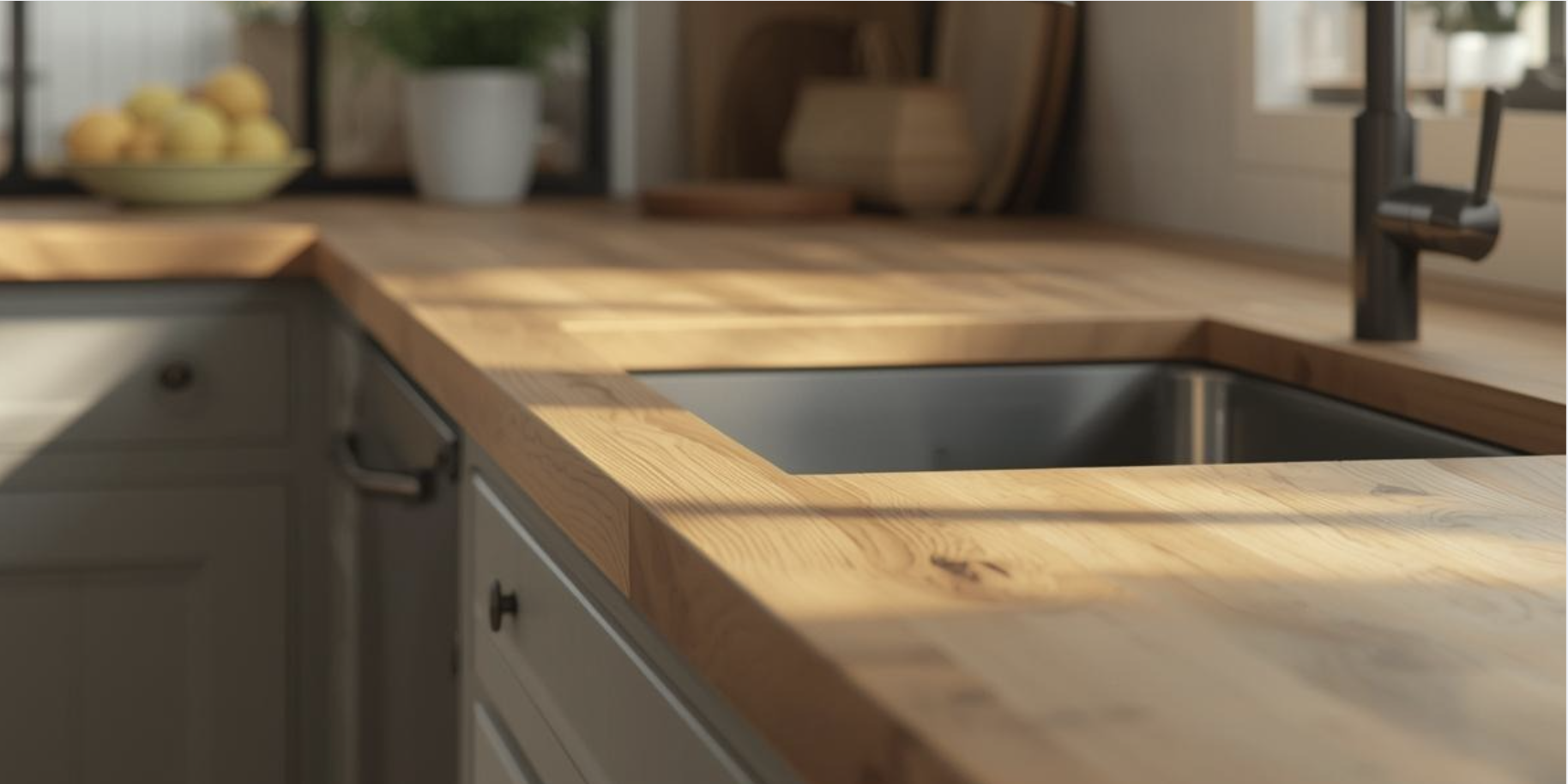
Wood countertops bring warmth, character, and a touch of natural charm to your kitchen. While they offer a soft, welcoming aesthetic, they also demand consistent care to stay in top shape.
Pros:
- Adds a warm, organic feel that softens modern kitchens.
- Surface can be sanded and refinished if scratched, dented, or stained.
- Relatively easy to install in smaller or DIY-friendly applications.
- Sustainable wood options available for eco-conscious homeowners.
Cons:
- Requires regular oiling or sealing to prevent water damage, stains, and bacterial growth.
- Susceptible to scratches, dents, and burns — not ideal for heavy-duty cooking zones.
- Not suitable around sinks or wet areas unless meticulously sealed and maintained.
Best for: Kitchen islands, baking stations, or design-driven homeowners committed to upkeep for a naturally cozy, rustic look.
9. Solid Surface Countertops (e.g., Corian, Staron)
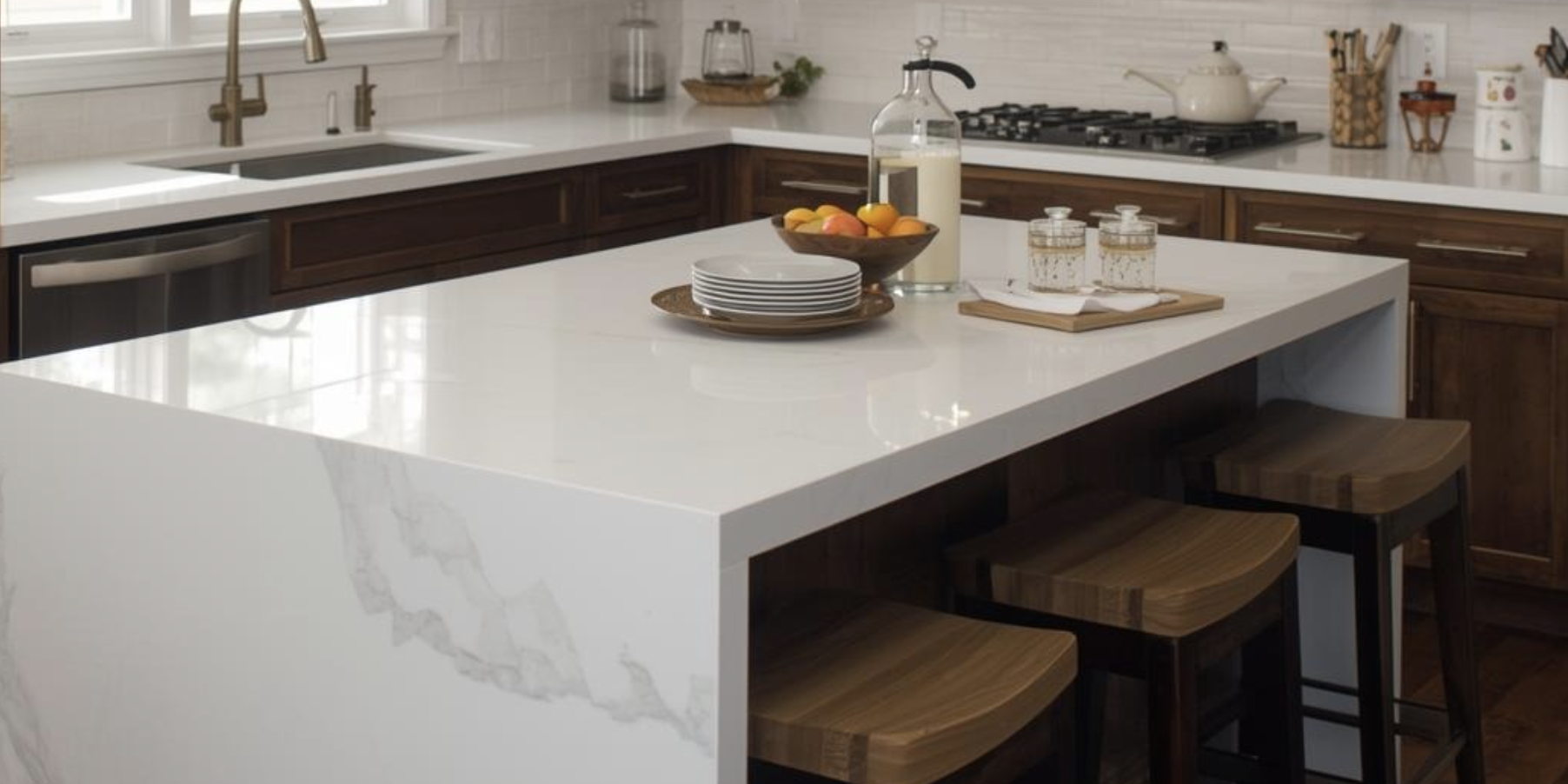
Made from acrylic or polyester resins, solid surfaces offer a stone-like look at a more affordable price.
Pros:
- Seamless appearance — no visible joints.
- Easy to repair if scratched.
- Wide colour and texture options.
Cons:
- Not heat resistant — prolonged exposure to hot pots or pans can cause deformation or discolouration.
- Prone to scratches — surfaces can be easily marked by knives, utensils, or heavy objects.
- Though repairable, frequent maintenance may be needed to keep it looking new.
Best for: Modern kitchens that prioritize clean aesthetics and easy maintenance.
Making Your Final Decision
Choosing a kitchen countertop is all about balancing beauty, functionality, and practicality. Here are a few gentle reminders to help you decide with confidence:
- Request samples: Check them under your own kitchen lighting to get a true sense of their color and texture.
- Visit showrooms: Seeing full slabs and installed examples can really help you picture the final look.
- Consider your lifestyle: Think about how often you cook, how much wear your kitchen gets, and how much upkeep you’re comfortable with.
- Get multiple quotes: Prices for materials and installation can vary quite a bit, so comparing options ensures you get the best value.
Materials like sintered stone and quartz stone stand out among all kinds of material as they both offer an excellent balance of durability and low maintenance — making them very cost-effective choices for many homeowners. If you’re interested, feel free to reach out to Sense Stone or browse our extensive catalog to explore a wide range of beautiful, practical options.
Sense Stone are very proud of our previous projects that have been completed for our customers, you may also check out our previous projects here to see our workmanship.
Conclusion
Your perfect choice depends on your style, budget, and daily needs. Whether you’re drawn to the timeless elegance of granite, the ease of care that quartz offers, the high performance of sintered stone, or the unique appeal of wood or concrete, understanding each material’s strengths and trade-offs empowers you to make the best decision.
Take your time exploring your options: you’ll find a countertop that looks stunning, performs well, and brings joy to your kitchen for years to come. It is an investment for the best and comfort for your lifetime home.
Talk to a trusted expert: remember to seek expert advice or to see a broad selection of quality materials, don’t hesitate to contact Sense Stone or check out our catalog.
Explore more:
- Download our Quartz Stone catalogue
- Browse our Sintered Stone selections
- Browse Sense Stone’s completed projects for our beloved customer
- Talk to Sense Stone — we’re here to help you design with confidence
Ready to transform your space? Contact Sense Stone today , we’re here to help you find a design that fits your style and needs.
Looking for the perfect sintered stone solution for your home?